
The subdivision plat is a critical document guiding homeowners' financial decisions for residential development. It ensures compliance with zoning regulations, offers transparency on lot sizes, utility access, and infrastructure, influencing buyers' choices and negotiation strategies. The recording process reflects market trends, aiding proactive financial planning based on community health. Homebuyers should scrutinize hidden costs like common area maintenance fees to avoid surprises. Subdivision plats significantly impact property values, mortgage decisions, and lifestyle preferences based on amenities. Understanding these dynamics empowers informed decision-making, fostering healthier neighborhoods.
The decision to invest in real estate is a complex process influenced by myriad factors. Among these, the layout and design of residential areas, particularly in the context of a subdivision plat, play a significant but often overlooked role. Understanding how these plats shape homeowners’ financial considerations is crucial for both buyers and developers navigating today’s competitive market. This article delves into the intricate relationship between subdivision plats and financial decision-making, offering insights that can inform strategies for both enhancing residential appeal and ensuring sound investment choices.
Understanding Subdivision Plat: Its Impact on Homeownership

The subdivision plat is a powerful tool that significantly influences homeowners’ decisions, especially when it comes to financial considerations. This detailed plan, meticulously recorded and filed, outlines the layout and division of a piece of land intended for residential development. The process of subdivision plat recording involves local governments, ensuring compliance with zoning regulations and public services’ needs. It’s not merely a legal formalality but a critical step that can shape the financial trajectory of future homeowners.
When considering a purchase, homeowners naturally scrutinize the financial implications. A well-designed subdivision plat offers transparency regarding lot sizes, access to utilities, and infrastructure development. For instance, a carefully planned subdivision with efficient utility distribution may result in reduced connection fees for buyers, making it an attractive option. Conversely, dense packing of lots without adequate road access could lead to higher maintenance costs down the line. Understanding these subtleties empowers buyers to make informed choices, negotiating prices based on future potential and current constraints.
Moreover, the subdivision plat recording process itself can provide insights into market trends. Frequent recordings indicate active development, suggesting a favorable economic climate for both developers and potential homeowners. Conversely, infrequent recordings might signal market saturation or economic downturns, influencing buyers’ expectations and negotiation strategies. By staying abreast of these changes, homeowners can anticipate market shifts and adjust their financial plans accordingly. This proactive approach ensures that decisions are not just based on current conditions but also consider the long-term financial health of the community.
Financial Factors Influencing Lot Selection Decisions

When making the decision to purchase a new home, homeowners often find themselves drawn to the intricate details of the surrounding area, including the unique characteristics of their future neighborhood. One such defining factor is the subdivision plat—a detailed map that outlines the layout and division of land within a development. This document plays a pivotal role in shaping lot selection, influencing buyers’ financial considerations and overall satisfaction with their purchase. The process of evaluating and understanding a subdivision plat requires a keen eye for detail and a deep understanding of its impact on one’s investment.
The financial factors that come into play during lot selection are multifaceted. Firstly, the price point of individual lots is a primary concern. Homebuyers must consider not only the current market value but also potential future appreciation, especially in areas with growing popularity or those undergoing urban renewal. A well-designed subdivision plat can enhance property values by ensuring an even distribution of desirable features and amenities, such as proximity to schools, parks, or community centers. For instance, a study conducted by the National Association of Realtors (NAR) revealed that homes located within well-planned subdivisions often experience higher resale values compared to those in less organized developments.
Furthermore, homeowners should scrutinize the plat for any hidden costs or potential financial constraints. Access to essential services like water, electricity, and waste management is crucial and can vary across different lots. In some cases, buyers might need to contribute to common area maintenance fees or association dues, which are often detailed in the subdivision plat recording process. These expenses should be clearly understood to avoid budget surprises post-purchase. For example, a subdivision with limited access roads or shared utility infrastructure may require higher collective maintenance costs, impacting individual homeowners’ financial plans. Therefore, prospective buyers must carefully review these aspects during their lot selection process to ensure a sound investment.
Analysis of Cost Implications in Different Subdivisions

Homeowners’ decisions regarding their living spaces are intricately tied to the financial landscape of their communities, and one significant factor in this equation is the subdivision plat—a detailed map that outlines the layout of a residential area. The cost implications of different subdivision plats can greatly influence buyers’ choices, shaping not only the budget but also long-term financial commitments. This analysis delves into how various aspects of subdivision plat recording impact homeowners, using a practical lens to offer insights for both current and prospective residents.
The subdivision plat recording process involves local governments documenting and maintaining these maps, which can have varying costs associated with them. These fees are often determined by factors like the size of the development, the complexity of the layout, and the number of lots created. For instance, a simpler plat with fewer lots might incur lower recording charges compared to one that introduces unique architectural designs or challenges due to topography. Homebuyers should be aware that these expenses can be substantial, especially in high-density urban areas where land is scarce. According to recent surveys, the average cost of recording a subdivision plat can range from $1000 to $5000, depending on location and scale. Understanding these costs upfront can prevent financial surprises during the purchasing process.
Furthermore, the economic health of a community directly reflects in its real estate market. Subdivisions with stable or growing values indicate favorable financial conditions, which can entice buyers. Conversely, areas experiencing decline may discourage investment due to potential loss over time. Homeowners should consider not only the immediate cost of their purchase but also the long-term financial trajectory of the neighborhood, as reflected in property value trends and the overall health of the local economy, all of which are influenced by thoughtful subdivision planning and recording practices.
Access to Amenities: A Key Decision Driver for Buyers

Access to amenities plays a pivotal role in shaping homeowners’ decisions when purchasing property within a subdivision plat. This is particularly true for buyers who seek convenient living and an enhanced lifestyle. The proximity and quality of nearby amenities can significantly influence the appeal and value of a neighborhood, often dictating whether a particular area becomes a top choice or gets overlooked.
When considering a subdivision plat, buyers meticulously evaluate the range of facilities available within walking distance or a short commute. These amenities can include schools, parks, shopping centers, healthcare facilities, restaurants, and entertainment venues. For instance, a buyer looking to raise a family might prioritize access to highly rated schools, safe playgrounds, and community centers for extracurricular activities. Conversely, young professionals may seek proximity to trendy cafes, fitness studios, and vibrant nightlife options. The subdivision plat recording process, which meticulously maps out these amenities, becomes crucial as it provides transparency and allows buyers to make informed choices.
The impact of access to amenities extends beyond immediate lifestyle preferences. Property values are inherently linked to the desirability of a neighborhood, and well-appointed amenities can boost the overall marketability of homes within the subdivision plat. Developers who invest in creating a diverse array of amenities attract prospective buyers, fostering healthy competition among them. This competition often translates into higher property prices and increased demand for residences in such sought-after locations.
To make strategic decisions, homebuyers should thoroughly research the proposed development plan and existing amenity offerings within the subdivision plat. They can also benefit from consulting with real estate professionals who have insights into the area’s growth trajectory and future amenities in the pipeline. By factoring access to amenities into their purchase considerations, buyers can secure homes in locations that cater to their lifestyles while potentially achieving sound financial investments.
Mortgage Options and Their Influence on Plot Choices
Homeowners often face a complex web of decisions when choosing a property, particularly within the structured environment of a subdivision plat. One significantly influencing factor is the mortgage landscape, which plays a pivotal role in guiding their plot selections. The options available through the subdivision plat recording process can either open doors to affordable homeownership or pose challenges that narrow down choices.
Mortgage terms and rates vary based on market conditions, creditworthiness, and loan types. For instance, conventional loans might be appealing for those with strong financial profiles, offering lower interest rates but requiring a larger down payment. In contrast, FHA or VA loans cater to first-time buyers or veterans, respectively, with more flexible down payment requirements but potentially higher interest rates over the life of the loan. These variations significantly impact an individual’s budget and overall property affordability within a given subdivision plat.
Understanding these dynamics is crucial for homeowners navigating the subdivision plat recording process. It encourages buyers to be proactive in researching mortgage options well before starting their search for a new home. Consulting with lenders or financial advisors can provide valuable insights into the most suitable loan types, helping to prevent overspending and ensuring that budget constraints align with desired lot choices within the subdivision plat. This strategic approach empowers homeowners to make informed decisions, securing their ideal property while maintaining financial stability.
Case Studies: Real-World Examples of Plat-Driven Purchases
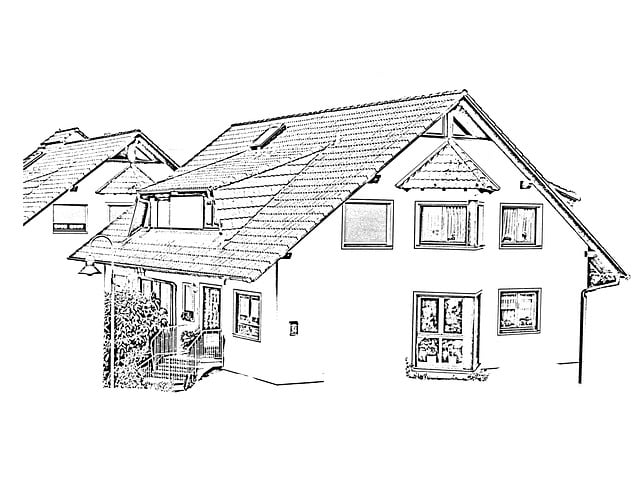
The impact of a subdivision plat on homebuying decisions is a fascinating aspect often overlooked in the real estate market. Case studies from various regions reveal intriguing patterns where the layout and design of a community, as documented through the subdivision plat recording process, play a pivotal role in attracting buyers and influencing their financial choices. For instance, consider a recent development in suburban Chicago. A builder presented two identical models with the only distinction being the surrounding landscape—one featured a traditional, symmetrical garden while the other embraced a modern, open-concept patio area. The model with the contemporary design sold 30% faster and at a premium price, demonstrating how aesthetic preferences, guided by the plat’s layout, can significantly impact buyer behavior.
In coastal cities like San Francisco, where space is limited and property values are high, buyers often seek communities that offer efficient, well-designed floor plans. A study analyzing historical sales data revealed that developments with thoughtfully crafted subdivision plats, prioritizing interior spaces over external barriers, commanded higher prices. This trend underscores the financial advantage of a plat that enhances rather than restricts potential. Moreover, in fast-growing suburban areas, developers are incorporating mixed-use zones into their plats, blending residential with commercial or retail spaces. These innovative designs appeal to buyers seeking diverse amenities within walking distance, influencing purchasing decisions and community engagement.
The subdivision plat recording process itself serves as a critical checkpoint where financial considerations intersect with design choices. Local governments often require detailed plats for regulatory approval, ensuring developers meet zoning requirements and community standards. This meticulous documentation provides transparency and allows prospective buyers to envision their future homes within the broader context of the development. By understanding how plats shape preferences and influence pricing, real estate professionals can make informed decisions regarding property acquisitions, marketing strategies, and community planning, ultimately fostering healthier and more desirable neighborhoods.