Understanding Subdivision Plat: Financial Planning for Borrowers

The subdivision plat is a crucial document for borrowers planning significant real estate projects……..
Giving you all the latest Arizona Buzz!
In the ever-evolving urban landscape, the concept of a subdivision plat has emerged as a powerful tool for shaping communities and facilitating sustainable growth. This comprehensive planning approach goes beyond traditional zoning by offering a detailed blueprint for developing land into coherent, functional neighborhoods. In essence, a subdivision plat is a master plan that guides the division and development of land into smaller plots or lots, ensuring a well-organized and regulated urban environment.
This article aims to provide an extensive exploration of the subdivision plat, delving into its definition, historical roots, global impact, economic implications, technological innovations, regulatory frameworks, challenges, and future prospects. By understanding these various facets, readers will gain valuable insights into how this planning mechanism influences our built environments and communities.
A subdivision plat, at its core, is a detailed map or plan that divides a larger parcel of land into smaller lots or parcels for development. It serves as a legal document, providing specifications for each lot’s size, shape, orientation, and intended use, such as residential, commercial, or industrial purposes. This process involves meticulous planning and consideration of various factors, including infrastructure requirements, zoning regulations, environmental impact, and community needs.
Historically, the concept dates back to the 19th century when rapid industrialization and urban growth led to a need for organized land development. Early subdivision plats were primarily used in rural areas to create agricultural plots, ensuring efficient land utilization. Over time, as cities expanded, this practice evolved to accommodate residential and commercial developments. Today, it plays a pivotal role in shaping suburban communities, master-planned neighborhoods, and even urban renaissance projects.
Key Components:
The influence of subdivision plat extends far beyond national borders, with variations and adaptations emerging worldwide. Let’s explore some key trends and regional differences:
North America: In the United States and Canada, subdivision plats are deeply ingrained in land development practices. They are extensively used for residential neighborhoods, ensuring uniform building standards and infrastructure accessibility. The trend towards mixed-use developments, combining residential and commercial spaces, is gaining traction, reflecting changing urban lifestyles.
Europe: European countries have their unique approaches, with some nations employing detailed subdivision planning while others focus more on general zoning regulations. The UK, for instance, has a system of “plot plans” that guide the division and development of land, ensuring compliance with national building codes.
Asia: Rapid urbanization in Asia has led to innovative subdivision strategies. In Japan, for example, high-density residential developments are common, often featuring compact, efficient lots. China has been experimenting with smart city initiatives, incorporating advanced technology into subdivision planning for enhanced urban management.
Emerging Markets: Countries in Latin America and Africa are also embracing subdivision plats as a means to structured urban growth. These regions often face unique challenges, such as addressing informal settlements and promoting sustainable development, making the approach both relevant and impactful.
The economic aspects of subdivision plat are multifaceted, influencing market dynamics, investment decisions, and overall community economic health.
Market Dynamics: Well-planned subdivisions can stimulate local real estate markets, increasing property values and attracting investors. They contribute to a stable and desirable housing environment, fostering long-term economic growth in the area.
Investment Patterns: Developers play a crucial role in subdivision projects, investing significant capital in land acquisition, planning, infrastructure development, and construction. These investments drive local economies and create employment opportunities.
Economic Impact on Communities: Successful subdivisions can lead to vibrant communities with thriving local businesses, improved public services, and enhanced quality of life, all of which contribute to the overall economic well-being of the region.
Funding and Financing: Governments often provide incentives and funding mechanisms to support subdivision projects, recognizing their potential for economic development. Public-private partnerships are also common, leveraging private investments while ensuring adherence to public interest goals.
Technology has revolutionized the way we plan and manage subdivisions, offering innovative solutions and enhancing efficiency. Here’s a glimpse into some significant advancements:
Geospatial Mapping: Advanced geospatial technologies enable precise mapping of land parcels, topographical features, and infrastructure networks. This data is crucial for informed decision-making during the subdivision planning process.
3D Modeling and Visualization: Computer-aided design (CAD) software allows for the creation of detailed 3D models of proposed developments, providing stakeholders with a realistic visualization of the final result. This tool aids in identifying potential issues early in the design phase.
Digital Planning Platforms: Cloud-based platforms facilitate collaboration among various stakeholders, including developers, architects, engineers, and local authorities. These tools streamline document management, version control, and real-time updates, ensuring efficient project coordination.
Smart City Technologies: Integration of Internet of Things (IoT) devices and sensors in subdivision planning can optimize infrastructure management. For example, smart traffic signals, energy-efficient lighting, and waste management systems enhance the overall livability and sustainability of developed areas.
The development of a subdivision is subject to various policies and regulations that ensure compliance with legal, environmental, and social standards. These guidelines are essential for maintaining order and protecting public interests.
Zoning Regulations: Local governments enforce zoning laws that dictate land use and development density. Subdivision plats must align with these regulations, ensuring that each lot complies with established zoning categories.
Environmental Permits: Obtainment of environmental permits is crucial to address concerns related to water quality, air pollution, habitat preservation, and other ecological issues. Developers must conduct thorough environmental impact assessments and adhere to mitigation measures.
Building Codes and Standards: All structures within a subdivision must meet local building codes and standards, ensuring safety and durability. These regulations cover aspects such as construction materials, structural integrity, plumbing, electrical systems, and energy efficiency.
Public Input and Participation: Many jurisdictions require public hearings and community input during the subdivision planning process. This participatory approach ensures transparency, addresses concerns, and fosters community buy-in.
Despite its numerous benefits, the subdivision plat process is not without challenges and criticisms. Addressing these issues is essential for achieving successful and sustainable development outcomes.
Common Challenges:
Strategic Solutions:
Let’s explore a few successful case studies to gain insights from practical implementations of subdivision plat.
Case Study 1: Master-Planned Community in California:
In the bustling city of San Diego, a private developer embarked on a ambitious project to create a sustainable master-planned community called “Green Valley.” The subdivision involved dividing a vast parcel into 500 residential lots, each with its own unique design. The developer worked closely with local authorities to ensure compliance with strict environmental and building codes. The result was a thriving community with energy-efficient homes, extensive green spaces, and a range of amenities, including a community garden, parks, and a farmers’ market. Green Valley became a model for sustainable urban development, attracting residents seeking an eco-conscious lifestyle.
Case Study 2: Revitalizing Urban Areas in Europe:
In Berlin, Germany, the city government initiated a project to revitalize a previously neglected industrial site. The subdivision involved dividing the area into mixed-use plots, attracting a mix of startups, artists’ studios, and residential units. This urban renewal project not only brought new life to the neighborhood but also fostered a vibrant cultural scene. The success lay in the careful balance between preserving historical elements and embracing modern design, creating a unique destination that attracted both locals and visitors.
Case Study 3: Affordable Housing Development in Asia:
In Hong Kong, a non-profit organization collaborated with the government to develop affordable housing in one of the city’s densely populated areas. The subdivision strategy involved creating small, efficient apartments within a larger community space. By working closely with local communities and addressing concerns about privacy and noise, the project gained widespread support. This model not only provided much-needed affordable housing but also enhanced social cohesion within the neighborhood.
The future of subdivision plat is brimming with potential, driven by technological advancements, changing societal needs, and sustainable development goals. Here’s a glimpse into some emerging trends:
Smart Cities and Digital Integration: As cities continue to embrace smart city initiatives, subdivision planners will integrate advanced technologies into their designs. This includes the implementation of IoT devices for efficient infrastructure management, digital security systems, and smart energy solutions.
Sustainable and Green Development: There is a growing emphasis on creating environmentally friendly subdivisions with energy-efficient buildings, green spaces, and sustainable transportation options. Developers are exploring innovative construction methods, renewable energy sources, and water conservation techniques.
Mixed-Use and Multi-Generational Living: The trend towards mixed-use developments that combine residential, commercial, retail, and recreational spaces is expected to grow. Additionally, the concept of multi-generational living, where different age groups coexist in the same community, is gaining traction, reflecting changing family dynamics.
Digital Planning Tools: Advancements in geospatial mapping, 3D modeling, and virtual reality (VR) will enable more immersive planning experiences. VR can be used to create digital twins of proposed developments, allowing stakeholders to virtually walk through and experience the space.
Community Engagement Platforms: Online platforms that facilitate community engagement and feedback collection during the planning process will become more prevalent. These tools empower residents to participate in decision-making, fostering a sense of ownership and pride in their communities.
The subdivision plat is a powerful tool for transforming land into vibrant, functional communities, addressing urban growth challenges while ensuring sustainable development. As cities continue to expand and evolve, this planning mechanism will remain essential in creating livable, resilient, and aesthetically pleasing environments. By understanding its history, global impact, economic implications, technological advancements, regulatory frameworks, and future prospects, we can better navigate the complexities of urban development.
Q: What is the primary purpose of a subdivision plat?
A: A subdivision plat serves to divide a larger parcel of land into smaller lots or plots, each with specific zoning and development permissions, for residential, commercial, or mixed-use purposes.
Q: How does a subdivision plat impact local communities?
A: Subdivision plats can enhance community development by providing essential infrastructure, creating job opportunities during construction, and potentially increasing property values. Well-planned subdivisions also contribute to social cohesion and improved quality of life.
Q: What are some common challenges in implementing subdivision plats?
A: Challenges include land acquisition, infrastructure development, community resistance due to changes in neighborhood character, and navigating complex regulatory processes. Streamlined approval processes, community engagement, and integrated planning can help overcome these hurdles.
Q: How does technology enhance the subdivision planning process?
A: Technology offers advanced geospatial mapping, 3D modeling, digital planning platforms, and smart city technologies. These tools improve efficiency, enable better visualization, and facilitate data-driven decision-making, leading to more informed and sustainable planning.
Q: What is the role of local governments in subdivision development?
A: Local governments enforce zoning regulations, environmental permits, building codes, and public input requirements. They collaborate with developers and community organizations to ensure compliance, maintain order, and protect public interests during subdivision projects.
The subdivision plat is a crucial document for borrowers planning significant real estate projects……..

The subdivision plat is a critical document guiding homeowners' financial decisions for residen…….

The subdivision plat, a detailed map approved by local authorities, significantly impacts homeowners…….

The subdivision plat, a detailed plan dividing land into smaller plots, is a critical tool for lende…….

A subdivision plat is a legal document dividing land into smaller plots, crucial for borrowers plann…….

The subdivision plat, a detailed map guiding land development, profoundly impacts property value and…….

A subdivision plat is a legal document dividing land into lots, crucial for property transactions. I…….
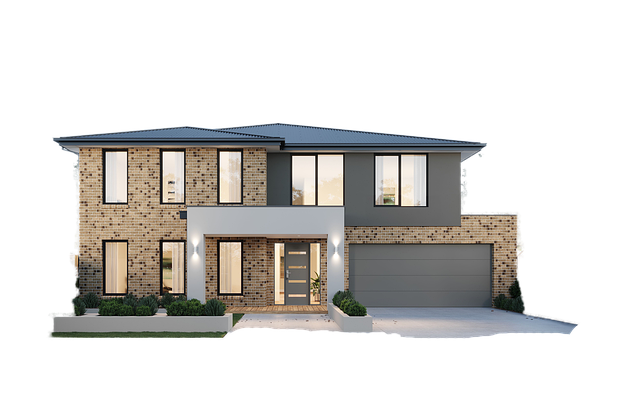
The subdivision plat, a detailed map dividing land for development, is crucial for lenders to assess…….

Understanding subdivision plats is crucial for borrowers planning complex property transactions. The…….
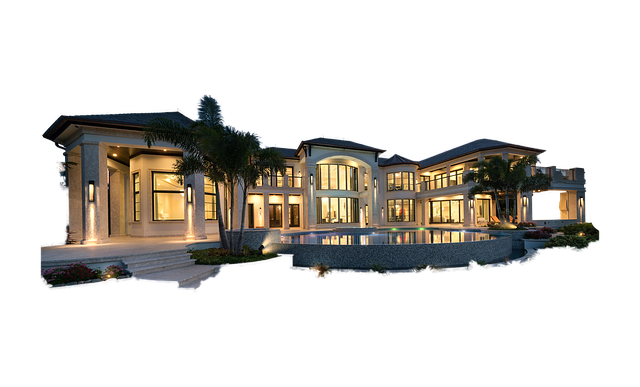
The subdivision plat, a detailed map for land division, is crucial for borrowers in construction and…….